-
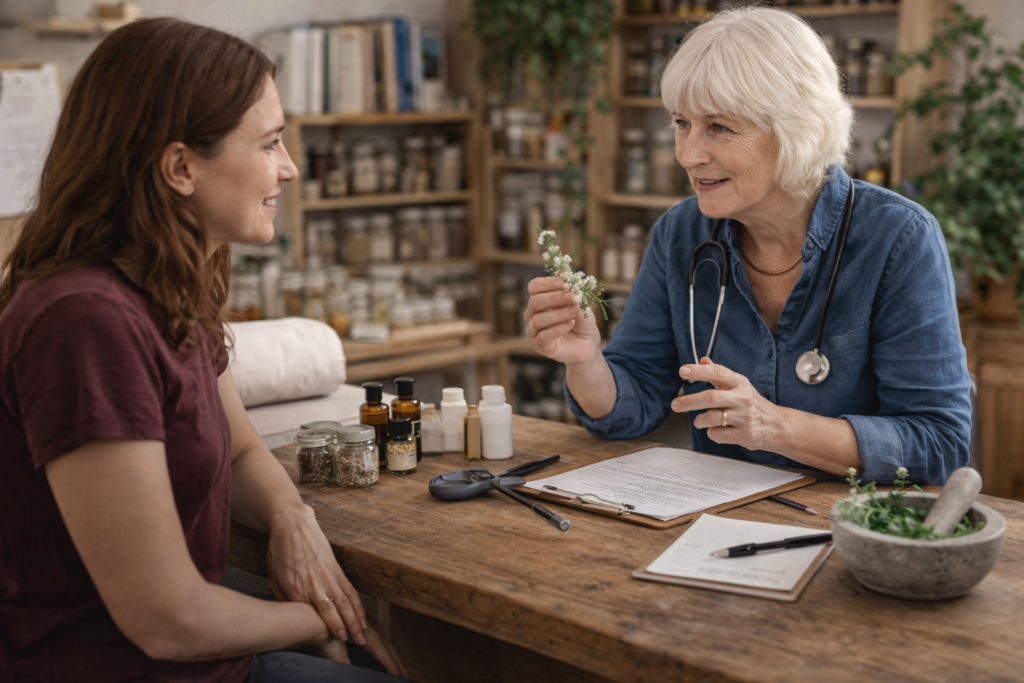
Clinical experience is one of the most important parts of herbal medicine training. Moving beyond theory While theoretical knowledge is essential, it is not enough on its own. Working with real patients is what develops true clinical skill. Building confidence Clinical training allows students to practise consultations, make decisions, and refine their approach under supervision. […]
-
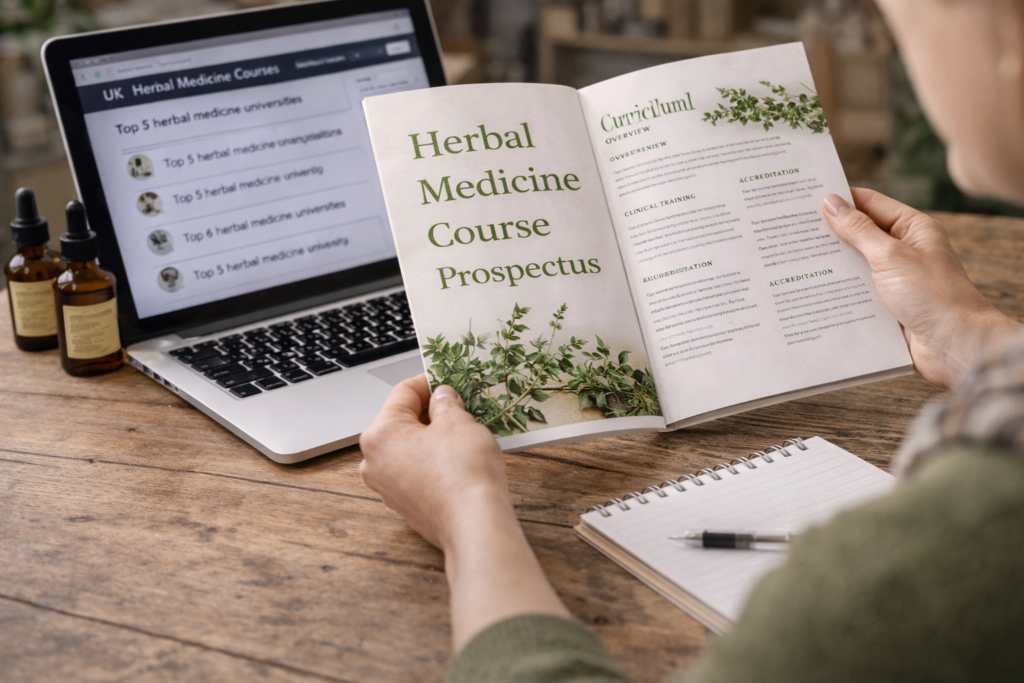
Choosing the right course is one of the most important steps in becoming a herbalist. Clinical training One of the most important factors is clinical experience. A strong course should include significant time working with real patients under supervision. In-person learning Learning in person allows for direct interaction with tutors and a deeper understanding of […]
-

For those considering a change in direction, herbal medicine can offer a different kind of professional path. A growing interest in natural healthcare More people are seeking holistic and plant-based approaches to health. This has increased interest in herbal medicine and the role of trained practitioners. Flexibility and independence Many herbalists choose to run their […]
-
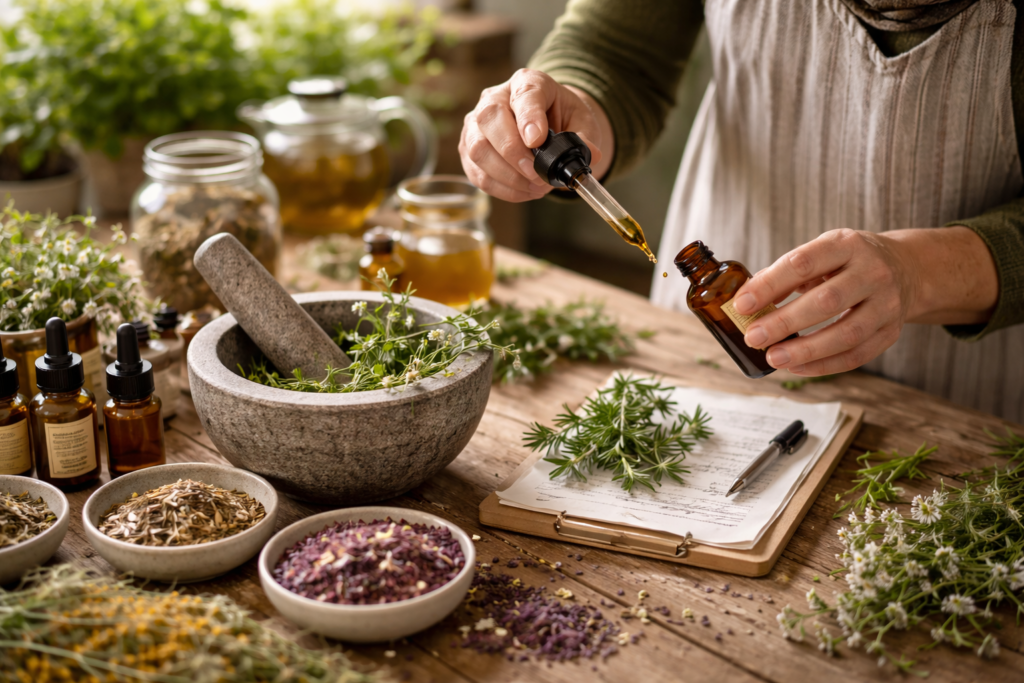
Medical herbalists work directly with patients to support their health using plant-based medicine. Their role combines clinical knowledge with a holistic approach to care. Working with patients A typical consultation involves understanding the patient as a whole. This includes discussing symptoms, medical history, lifestyle, and diet. From there, the herbalist develops a personalised treatment plan. […]
-
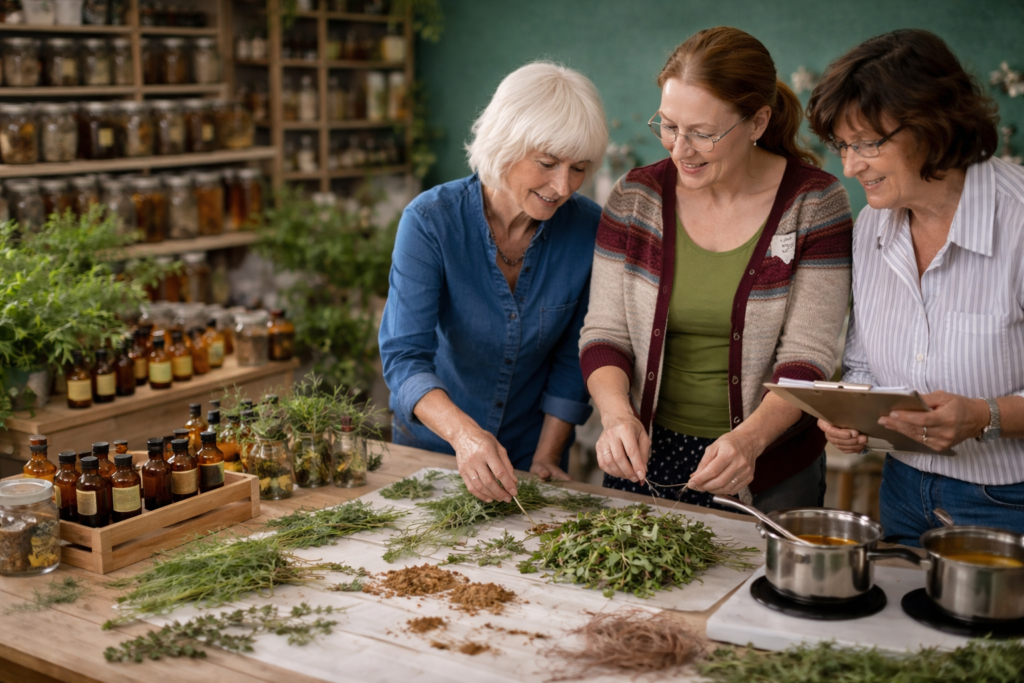
Becoming a medical herbalist in the UK involves more than an interest in plants. It is a professional pathway that combines scientific understanding, clinical training, and practical experience. What is a medical herbalist? A medical herbalist is trained to assess patients, diagnose conditions, and prescribe herbal treatments tailored to individual needs. This includes understanding anatomy, […]