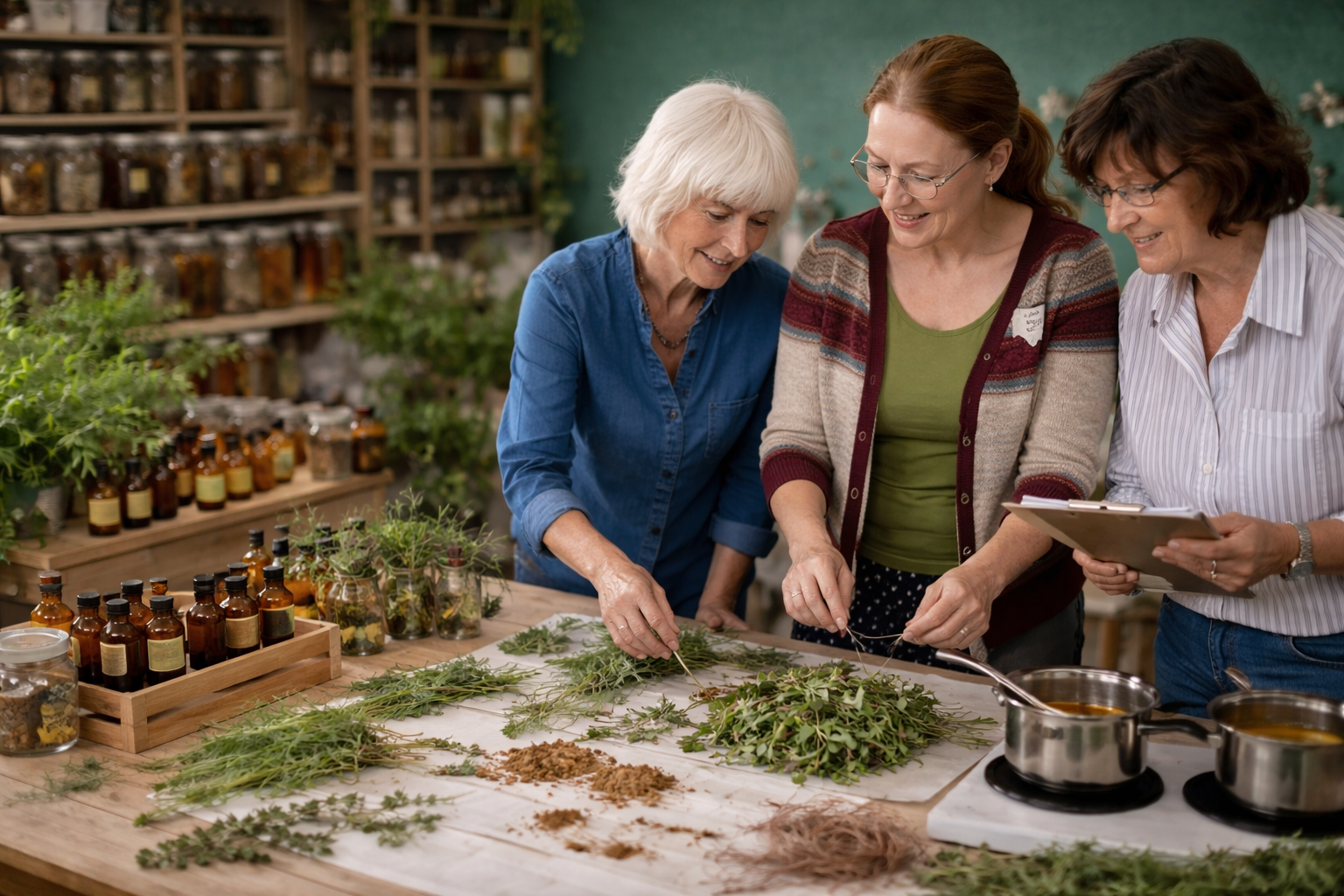
Becoming a medical herbalist in the UK involves more than an interest in plants. It is a professional pathway that combines scientific understanding, clinical training, and practical experience.
What is a medical herbalist?
A medical herbalist is trained to assess patients, diagnose conditions, and prescribe herbal treatments tailored to individual needs. This includes understanding anatomy, physiology, and how different herbs interact with the body.
What training is required?
To practise safely and professionally, you need structured training that includes both theory and clinical experience. This typically involves:
- Studying subjects such as anatomy, physiology, and materia medica
- Learning how to assess patients and develop treatment plans
- Gaining real clinical experience with patients
Many programmes lead to a Level 6 qualification, which is comparable to degree-level study.
Why clinical experience matters
Clinical training is a key part of becoming a herbalist. Working with real patients allows you to develop consultation skills, build confidence, and apply your knowledge in practice.
How long does it take?
Training can take several years, depending on the structure of the programme and your pace of study. A thorough course ensures you graduate ready to practise safely and effectively.
Starting your journey
If you are serious about becoming a medical herbalist, look for a programme that offers in-person teaching and substantial clinical experience. This provides the strongest foundation for a professional career.

Leave a Reply